About Talia
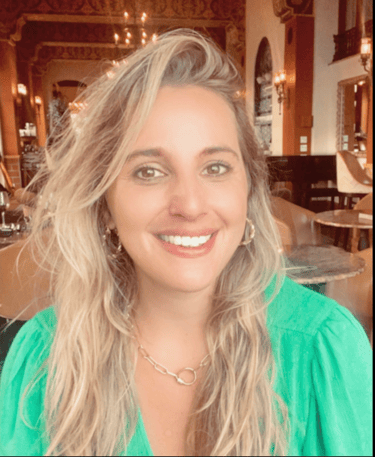
After years of conducting intersectional feminist research & evaluations, examining systemic inequities is central to my approach.
AI is the newest system compelling that inquiry.
I founded Versailles AI because I've seen what happens in humanitarian, global health, and research contexts without adequate ethical safeguards. For 15+ years, I've worked at the intersection of gender justice, sexual and reproductive health and rights, and forced migration. I hold a PhD from King's College London in Geography, with expertise in designing feminist frameworks for research and evaluations. I currently serve on an international ethics review committee, bringing firsthand knowledge of what ethical oversight looks like in practice.
It's this combination of roles that shapes everything I do at Versailles AI.
My work has been published in peer-reviewed journals and has informed federal policy decisions on asylum and gender-based violence. I have worked with organizations including Oxfam America, Fòs Feminista, the US Department of State, the Center for Gender & Refugee Studies, and the Mexican Ministry of Women.
What I didn't anticipate was that AI would follow me into these contexts. Over the past several years, I've watched artificial intelligence enter some of the highest-stakes humanitarian settings, including border systems, asylum processes, health and protection services for survivors of gender-based violence. And I've seen what happens when those tools are built without the analytical frameworks, the research ethics grounding, or the gender-transformative methodology needed to deploy them safely.
This is a pivotal moment. Those of us who have spent years applying gender-transformative approaches and feminist research ethics have something critical to contribute to how AI is implemented.
The responsible tech ecosystem has done essential foundational work — organizations like Partnership on AI, the Ada Lovelace Institute, and All Tech Is Human have advanced the field in ways that inform my own practice. But translating those principles into operational reality, in the specific contexts where NGOs, research institutions, and global health organizations work, requires field-tested methodology and an understanding of structural inequality that runs deeper than bias testing.
That is the gap Versailles AI was built to fill. Through a gender-transformative and human rights-based approach — and grounded in the traditions of feminist ethics that long predate the tech industry — we help organizations ensure their AI is genuinely safe and accountable.
If your organization is considering AI, or already using it, and you're asking "Is this safe for the people we serve?" or "How do we know if we're causing harm?", then we should talk.