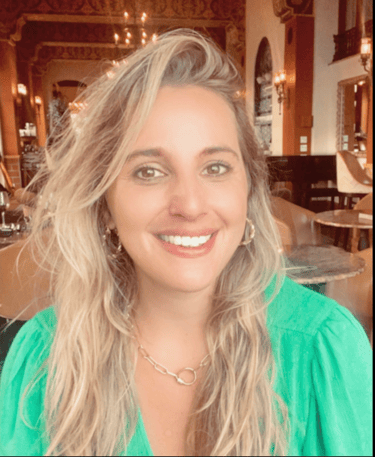
About Talia
Most AI ethics frameworks were designed by tech companies for tech companies. They weren't built for the contexts where mistakes don't just affect user experience — they affect human safety, dignity, and rights.
I founded Versailles AI because I've seen what happens in humanitarian, global health, and research contexts without adequate ethical safeguards. For 15+ years, I've worked at the intersection of gender justice, sexual and reproductive health & rights, and forced migration with vulnerable populations across the globe. I hold a PhD from King's College London in Geography, with expertise in designing feminist frameworks for research and evaluations. I currently serve on an international ethics review committee, bringing firsthand knowledge of what ethical oversight looks like in practice.
It's this combination of roles that shapes everything I do at Versailles AI.
My work has been published in peer-reviewed journals and has informed federal policy decisions on asylum and gender-based violence. I have worked with organizations including Oxfam America, Fòs Feminista, the US Department of State, the Center for Gender & Refugee Studies, and the Mexican Ministry of Women.
Through this work, one insight has become undeniable: ethical AI requires more than technical bias testing. It requires understanding structural inequalities, recognizing intersectional harm, and centering the people most affected — not as an afterthought, but from the beginning.
That's why I developed the LUCID Framework — a rigorous methodology grounded in a transformative gender approach, research ethics standards, and years of practical experience in humanitarian & development contexts.
I firmly believe that in order to achieve the most ethical and impactful use of AI, approaches must be founded in traditional philosophies of ethics — not tenets invented by the tech industry. Ethical AI needs the perspective of those who have been on the ground, interrogating social inequities and fighting for justice — long before the introduction of AI.
If your organization is considering AI — or already using it — and you're asking questions like "Is this safe for the people we serve?" or "How do we know if we're causing harm?" — then we should talk.